
In recent years, I have seen a clear shift in how procurement teams, factory owners, and supply chain managers evaluate machining partners. Price and lead time still matter, but they are no longer enough. Today, buyers also ask whether a supplier can support ESG goals, reduce lifecycle waste, improve energy efficiency, and contribute to a more responsible manufacturing supply chain.
For the machining workholding sector, this change is especially important. Whether we are discussing a cnc lathe chuck or a broader cnc chuck solution, customers now expect more than precision and durability. They want measurable value in sustainability, maintenance reduction, traceability, and long-term operational efficiency.
Why Green Transformation Is Becoming a Real Purchasing Requirement
Green transformation is no longer just a corporate branding topic. It has become a practical sourcing requirement. Many OEMs and Tier 1 manufacturers now face pressure from customers, regulators, and investors to disclose carbon-related data, improve supply chain transparency, and adopt more sustainable design principles.
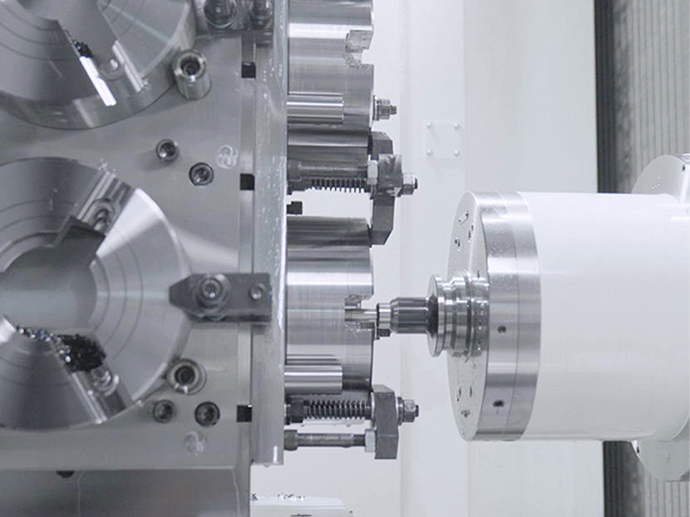
For buyers in machining industries, this creates several urgent questions:
- Can this supplier help us reduce downtime and waste?
- Can this product last longer and lower replacement frequency?
- Can this workholding solution support automation and energy-efficient production?
- Does the supplier have stable manufacturing, quality control, and traceability?
- Can the supplier support long-term ESG and net-zero transition targets?
These questions directly affect how a cnc lathe chuck or cnc machine chuck is selected today.
The Next Stage of ESG in Machining Workholding
In my view, ESG in the chuck and workholding industry is moving from general statements to practical execution. The next stage is less about slogans and more about engineering decisions.
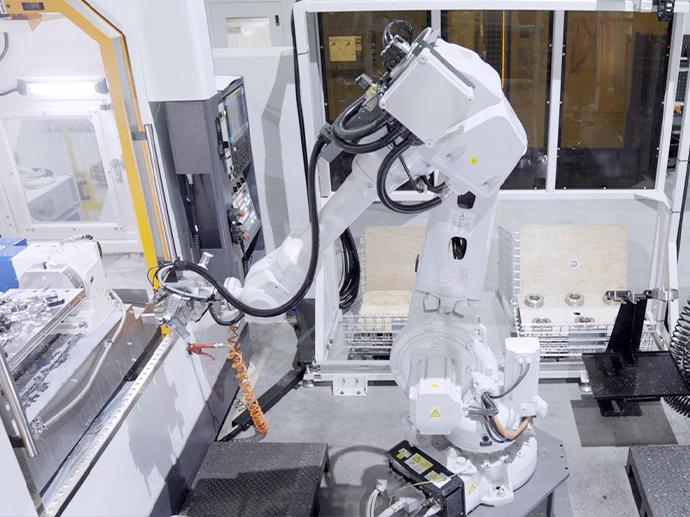
1.Longer service life becomes a sustainability advantage
A product that performs reliably over a longer period helps reduce replacement frequency, maintenance demand, spare parts consumption, and unexpected production loss. In real factory environments, durability is not only an operational issue; it is also a sustainability issue.
2. Lower maintenance supports greener operations
When a cnc chuck is designed to reduce contamination risk, stabilize lubrication, and simplify service intervals, it helps save labor hours, minimize unplanned downtime, and reduce unnecessary cleaning or part replacement. That contributes to a leaner and more responsible production model.
3. Smart manufacturing and traceability are now part of supplier responsibility
Buyers increasingly prefer suppliers with controlled production environments, documented SOPs, in-process quality checks, and stable manufacturing systems. These capabilities improve consistency and help customers manage risk across the supply chain.
How Net-Zero Pressure Is Changing Supplier Evaluation
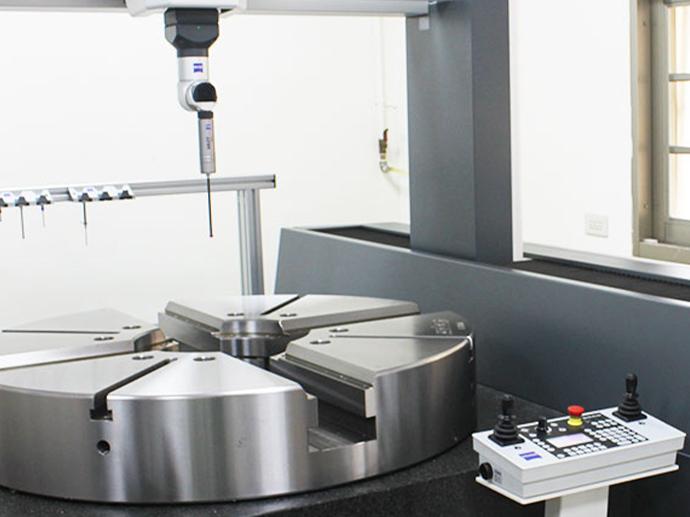
Net-zero goals are changing the way industrial buyers compare suppliers. In the past, sourcing teams often focused on initial purchase cost. Now, many are shifting toward total lifecycle value.
Below is a simple way this trend is changing evaluation priorities.
| Traditional Buying Focus |
Green Supply Chain Focus |
| Unit price |
Lifecycle cost |
| Basic product performance | Reliability + waste reduction |
|
Delivery only
| Delivery + traceability |
| Standard specification | Energy-saving and maintenance-saving design |
| Short-term sourcing | Long-term ESG alignment |
This shift matters because a low-cost chuck that causes frequent maintenance, unstable clamping, or shorter service life may create a higher environmental and operating cost over time.
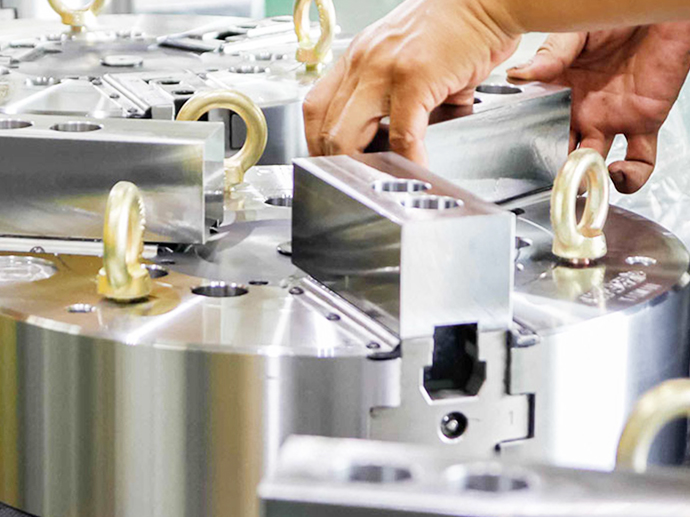
For example, green design in a cnc machine chuck may include:
- Structures that help reduce coolant and chip intrusion.
- Designs that support more stable lubrication.
- Configurations that improve service life and reliability.
- Compatibility with automation and lights-out production.
- Product consistency that reduces setup variation and scrap risk.
- Flexible customization that matches the real process instead of forcing inefficient workarounds.
This is why sustainable design in the machining industry should be evaluated through both environmental impact and practical shop-floor performance.
What Procurement Teams Should Ask Before Choosing a Workholding Supplier
If I were building a green supplier checklist for machining applications, I would start with these questions:
These questions help buyers move beyond price comparison and toward smarter sourcing decisions.
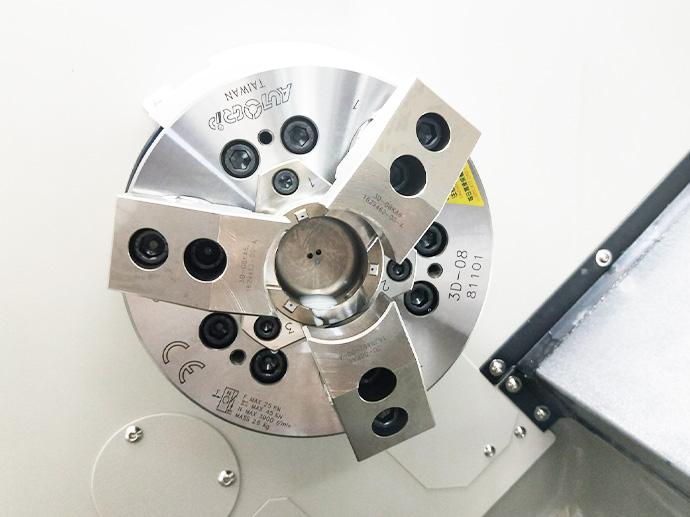
Product-Level Questions
- Does the cnc lathe chuck help reduce maintenance frequency?
- Is the design suitable for harsh environments such as coolant-heavy, chip-heavy, or automated production lines?
- Can the product improve uptime and reduce hidden operating losses?
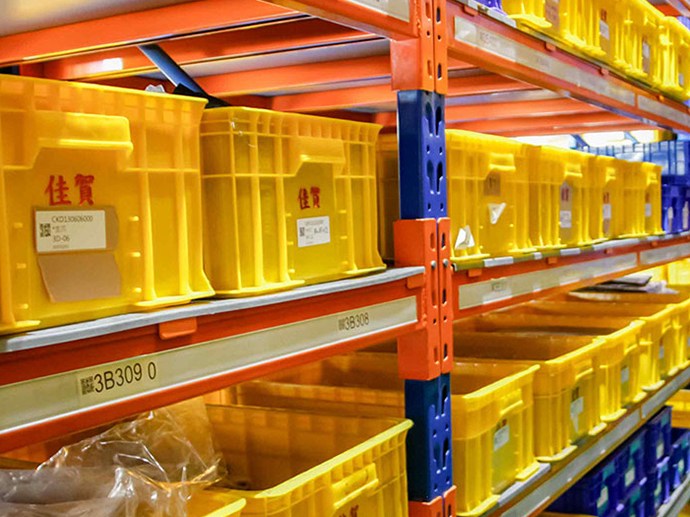
Supplier-Level Questions
- Does the supplier have in-house R&D and customization ability?
- Is production controlled through standardized manufacturing and QC systems?
- Can the supplier support different machine applications and custom requirements?
- Does the supplier show long-term commitment to innovation and process improvement?
Industry Trends Buyers Should Watch
Several trends are shaping the future of the machining chuck market:
More customers will demand responsible supply chains
Global buyers increasingly want suppliers that can demonstrate manufacturing discipline, product reliability, and readiness for ESG-driven audits.
Automation-friendly products will gain more attention
As labor pressure rises, factories want cnc chuck solutions that fit automated, stable, and lower-maintenance production environments.
Sustainable value will be tied to operational efficiency
In B2B manufacturing, sustainability is rarely judged in isolation. Buyers want proof that environmental improvements also support uptime, consistency, and cost control.
FAQ : Green Transformation in the Machining Chuck Industry
Because ESG now affects supplier selection, supply chain audits, and long-term sourcing strategy. A durable, low-maintenance chuck can support both production efficiency and sustainability goals.
It can help indirectly by reducing maintenance frequency, extending service life, lowering waste, and supporting stable, efficient machining operations.
In many applications, the biggest priority is practical efficiency: durability, contamination resistance, lubrication stability, and lower lifecycle waste.
No. Carbon data matters, but buyers should also look at reliability, traceability, service life, production stability, and supplier quality systems.
Look for suppliers with strong R&D, documented manufacturing processes, broad application experience, customization capability, and a clear commitment to quality and long-term partnership.
No. Even mid-sized factories benefit because lower downtime, less scrap, and longer product life improve both sustainability and profitability.
Our View on the Next Step for the Industry
I believe the next step for the machining workholding industry is clear: sustainability must become practical. Buyers do not need vague promises. They need suppliers that help them reduce risk, improve uptime, support automation, and move toward greener operations with real engineering value.
At AUTOGRIP MACHINERY CO., LTD., we have built our foundation on precision workholding, in-house R&D, manufacturing discipline, and customized clamping solutions. With more than three decades of experience in Taiwan, broad application coverage, and a product range that includes cnc lathe chuck and other advanced cnc chuck solutions, we continue to support customers who need both machining performance and long-term operational value. If you would like to explore our main products, you can visit our CNC machine chuck product page.
If you are planning for a more reliable, efficient, and responsible machining supply chain, I invite you to contact us and discuss your application needs with our team: Contact AUTOGRIP MACHINERY