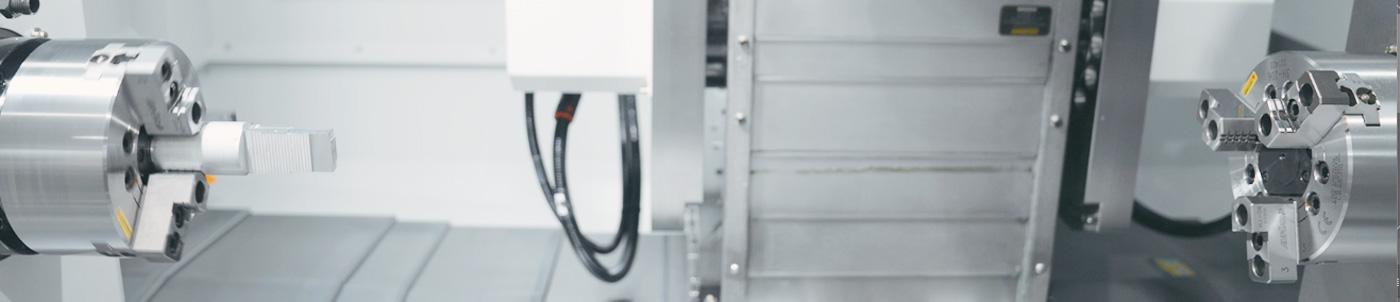
A high-rigidity chuck is durable because its internal engineering is designed to maintain clamping stability, resist deformation, reduce wear, and perform reliably over time. For buyers evaluating a cnc lathe chuck or cnc machine chuck, the most important factors are usually not cosmetic design or headline specifications, but the internal structure that determines long-term accuracy, uptime, and maintenance frequency.
In practical machining environments, chuck performance depends heavily on four core design elements: integrated body construction, precision guideway design, effective sealing, and stable pneumatic or hydraulic force transmission. These elements explain why some chucks maintain rigidity and service life far better than others under continuous production conditions.
Why Internal Chuck Design Matters in Real Production
For procurement teams, plant managers, and machining engineers, this is a critical issue. Two chucks may appear similar in size or specification, yet their performance over time can be very different. Internal chuck design directly affects:
- Clamping rigidity during heavy cutting.
- Jaw movement precision and repeatability.
- Resistance to chips, coolant, and contamination.
- Force transmission consistency.
- Maintenance intervals and operating life.
- Overall total cost of ownership.
For this reason, selecting a cnc machine chuck should involve evaluating how it is engineered internally, not only how it is described in a catalog.
Quick Answer:
What Makes a High-Rigidity Chuck Last Longer
A high-rigidity chuck lasts longer when it is engineered to do four things well:
- Maintain structural stiffness under machining load.
- Guide jaw movement accurately over repeated cycles.
- Protect internal mechanisms from contamination.
- Deliver stable and repeatable clamping force.
If one of these areas is weak, the chuck is more likely to lose repeatability, wear prematurely, or require earlier maintenance.
Integrated Structure Design:
The Foundation of Rigidity
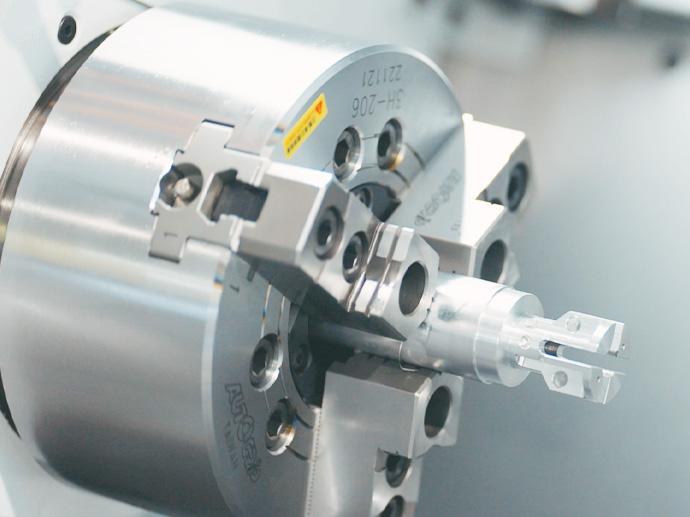
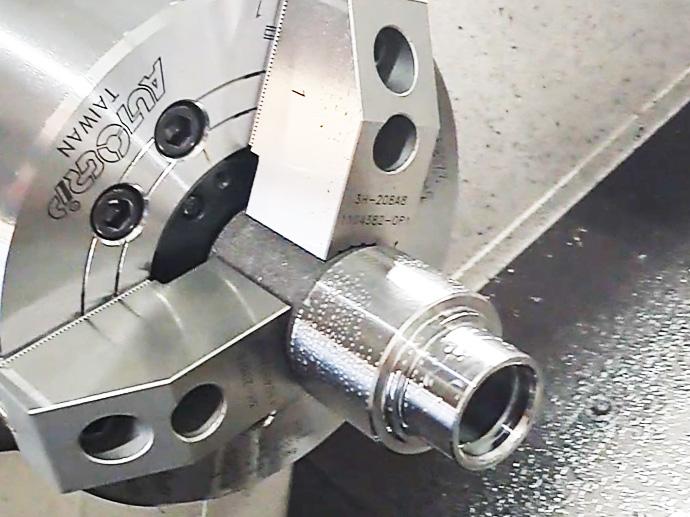
Structural integrity is the starting point of any high-rigidity chuck. An integrated body design helps improve stiffness by minimizing weak points in the structure and allowing force to distribute more evenly across the chuck body.
This type of design supports performance in demanding machining conditions, especially when cutting loads are high or when workpieces require strong and stable holding force.
Benefits of integrated structure design:
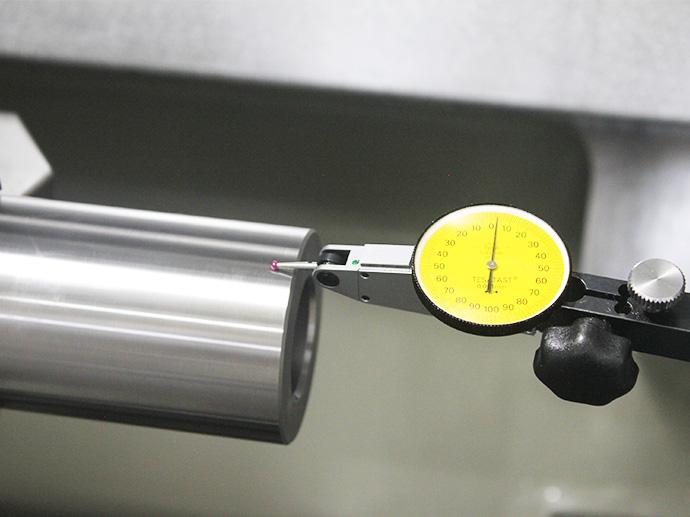
Better resistance to deformation under load
More stable workholding during longer machining cycles
Reduced micro-movement between components
Better consistency in dimensional control
Longer structural durability
For operations involving harder materials, interrupted cutting, or aggressive production targets, this kind of structural rigidity becomes an important factor in maintaining stable output.
Precision Guideway Design:
Why Jaw Stability Affects Chuck Life
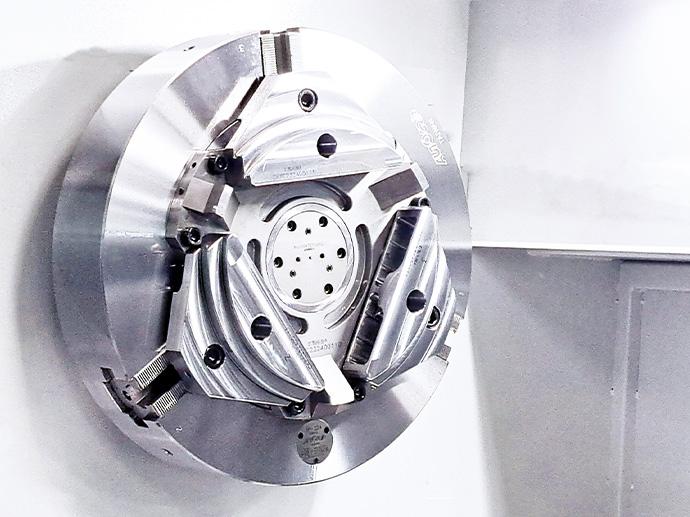
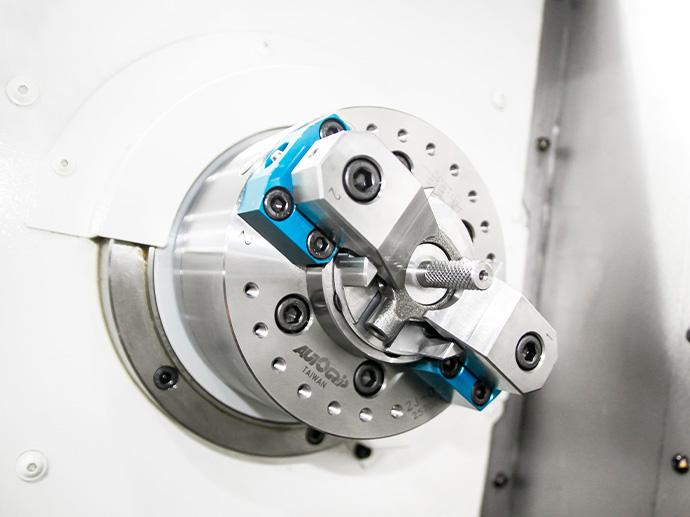
The jaw system is one of the most important functional areas inside a chuck. Jaw movement must remain accurate, smooth, and repeatable over a large number of clamping cycles. This is where guideway or slide rail design becomes essential.
A precision guideway system helps keep jaw movement aligned and controlled. It also improves load distribution during clamping and release. When guideway design is poor, jaw motion may become uneven, wear may increase more quickly, and repeatability may decline over time.
Why guideway quality matters
A high-quality guideway design contributes to:
More accurate jaw travel
Better clamping repeatability
Lower internal wear rates
More stable machining results
Longer operating life
For any cnc lathe chuck, guideway engineering should be treated as a life-cycle performance factor, not a secondary feature.
Sealing Design: Protection Against Coolant, Chips, and Wear
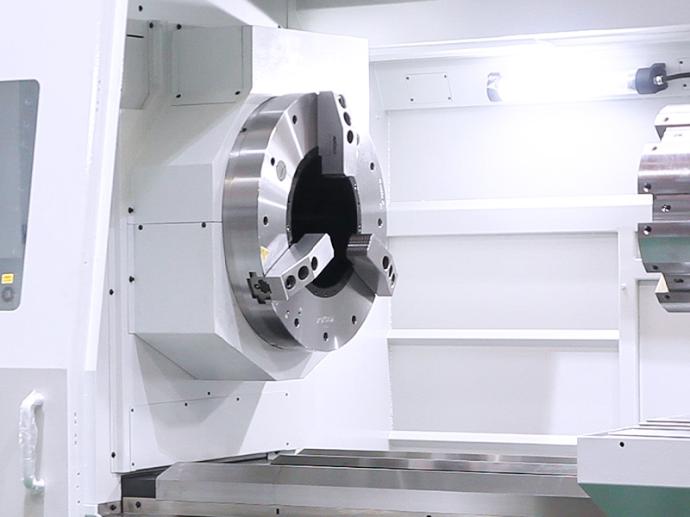
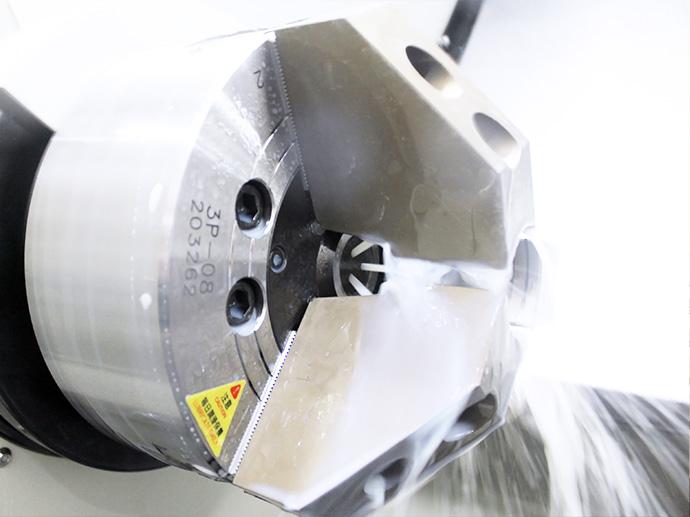
In real machining environments, chucks are continuously exposed to coolant, chips, dust, and residue. Without effective sealing, these contaminants can enter the internal mechanism, disturb lubrication, increase friction, and shorten service life.
A well-designed sealing system helps isolate critical internal parts from external contamination. This is especially important in high-volume machining or applications involving wet cutting conditions.
Benefits of effective sealing
Reduced contamination of internal components
Better preservation of lubrication conditions
Lower risk of sticking or irregular movement
Reduced wear and maintenance frequency
More stable long-term performance
Sealing is often underestimated during product comparison, but in production environments, it is one of the key contributors to durability and maintenance control.
Pneumatic and Hydraulic Transmission: Stable Force Delivery Matters
Maximum clamping force is only one part of chuck performance. In practice, consistency is equally important. A chuck must be able to convert pneumatic or hydraulic input into reliable and repeatable clamping force across repeated operating cycles.
If force transmission is unstable, machining quality may vary even when the chuck body itself is rigid. This is why actuation and transmission design are closely tied to chuck performance.
The following comparison provides a general overview:
|
Transmission Type
|
Main Characteristic |
Typical Advantage | Application Focus |
| Pneumatic |
Faster response and cleaner operation | Useful for certain automation-oriented or lighter-duty setups | Speed and efficient cycling |
| Hydraulic | Stronger and more stable force output | Better suited to heavier cutting and higher rigidity requirements | Maximum clamping stability |
The best choice depends on the application, workpiece requirements, and machining conditions. In both systems, however, stable transmission is essential to the long-term effectiveness of a cnc machine chuck.
How These Internal Features Work Together
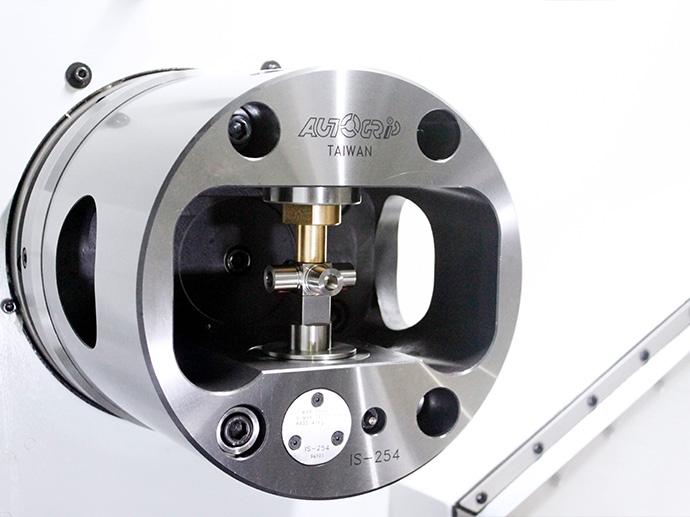
A high-rigidity chuck performs best when multiple internal systems are designed as an integrated whole. Strong structure alone is not enough. Accurate guidance, contamination protection, and stable force delivery must work together to produce reliable performance.
|
Internal Design Element
|
Main Function |
Practical Benefit |
| Integrated body structure |
Increases stiffness and improves force distribution |
Better rigidity under load |
| Precision guideway system | Controls jaw alignment and movement | Better repeatability and lower wear |
| Effective sealing | Blocks chips, coolant, and debris | Longer service life and less maintenance |
| Stable pneumatic or hydraulic transmission | Delivers consistent clamping force | More reliable production performance |
This integrated design approach is a major reason why some chucks maintain accuracy and service life more effectively than others.
Industry Trend:
Why High-Rigidity Workholding Is More Important Today
Several manufacturing trends are increasing the importance of high-rigidity chuck design:
More use of automated and unattended machining.
Higher expectations for repeatability and quality consistency
More demanding materials and cutting conditions
Greater focus on reducing downtime and scrap
Stronger emphasis on total ownership cost over initial purchase price
As a result, buyers are increasingly evaluating not only what a chuck can do on paper, but also how well it can perform over time in real production conditions.
FAQ: Common Questions About High-Rigidity Chuck Design
A high-rigidity chuck is designed to resist deformation and maintain stable clamping under machining load. Its performance usually depends on body stiffness, guideway precision, sealing quality, and stable force transmission.
Integrated structure helps reduce weak points in the chuck body and improves force distribution. This supports better rigidity, more stable clamping, and longer service life.
Guideway design influences jaw alignment, movement accuracy, and wear behavior. Better guideways improve repeatability and help preserve chuck accuracy over time
Sealing helps prevent chips, coolant, and contaminants from entering internal mechanisms. This reduces wear, protects lubrication, and lowers maintenance frequency
Not always. Hydraulic systems are often preferred for higher force and heavier-duty cutting, while pneumatic systems may be suitable for applications where faster response and cleaner operation are priorities.
Buyers should evaluate rigidity, clamping consistency, guideway precision, contamination protection, maintenance intervals, and expected service life. These factors have a major effect on long-term productivity and cost.
AUTOGRIP Solutions for High-Rigidity Workholding Applications
For manufacturers comparing workholding solutions, AUTOGRIP MACHINERY offers product categories relevant to rigidity, precision, and durable clamping performance. who want to explore suitable solutions can review Power Chucks, Collet Chucks, and Rotary Cylinders based on their machining requirements. For application discussion or product inquiries, can also contact AUTOGRIP MACHINERY.
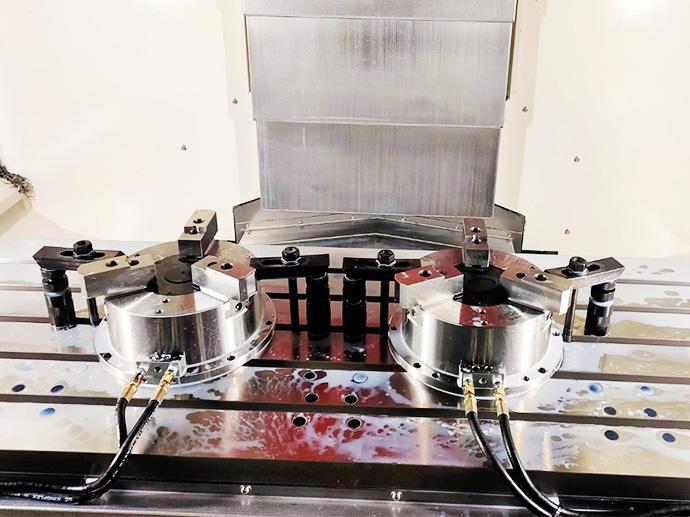
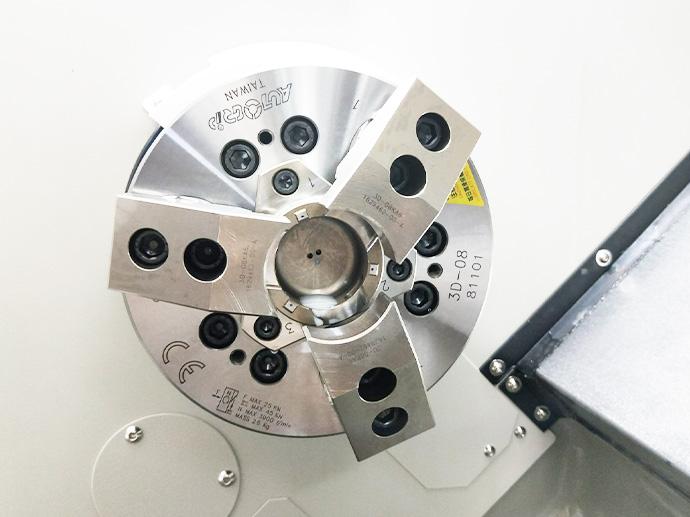
The durability of a high-rigidity chuck is determined largely by internal engineering rather than external appearance alone. In practical terms, integrated structure, precise guideway design, effective sealing, and stable pneumatic or hydraulic transmission are the key factors that explain why one cnc lathe chuck or cnc machine chuck may deliver better rigidity, longer life, and more reliable production performance than another. For buyers seeking long-term machining stability, these internal design principles provide a clearer basis for evaluation than price comparison alone.