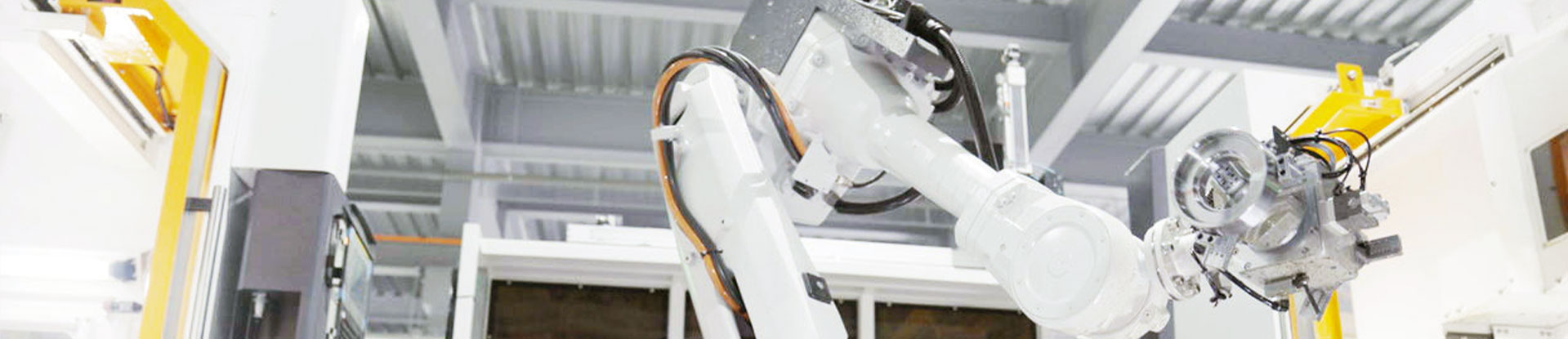
As we navigate through 2026, the precision machining landscape is undergoing a seismic shift. For procurement managers, shop floor owners, and manufacturing engineers, the conversation has moved beyond simple cutting speeds and feeds. The new frontier is defined by Smart Manufacturing, Hyper-Automation, and the Digitization of Workholding.
At AUTOGRIP, we understand that in an era where microns matter and downtime is the enemy, the connection between the machine and the workpiece—the chuck—is critical. This article explores the defining trends of 2026 and how the evolution of the cnc lathe chuck and cnc machine chuck is reshaping production efficiency.
The
New Reality of 2026: Why "Good Enough" is No Longer Enough
The manufacturing sector is currently facing a "perfect storm" of challenges: a shrinking skilled labor workforce, rising raw material costs, and an intense demand for tighter tolerances. In response, the industry is pivoting toward Industry 5.0 concepts, where human intelligence works alongside cognitive computing.
For the machining sector, this means one thing: predictability.
Procurement officers are no longer just buying hardware; they are buying process reliability. If a cnc machine chuck fails or loses accuracy, it doesn't just ruin a part; it disrupts a highly synchronized automated line. Therefore, the trends of 2026 are heavily focused on reducing variables through technology.
1. The Rise of "Intelligent" Workholding (IoT Integration)
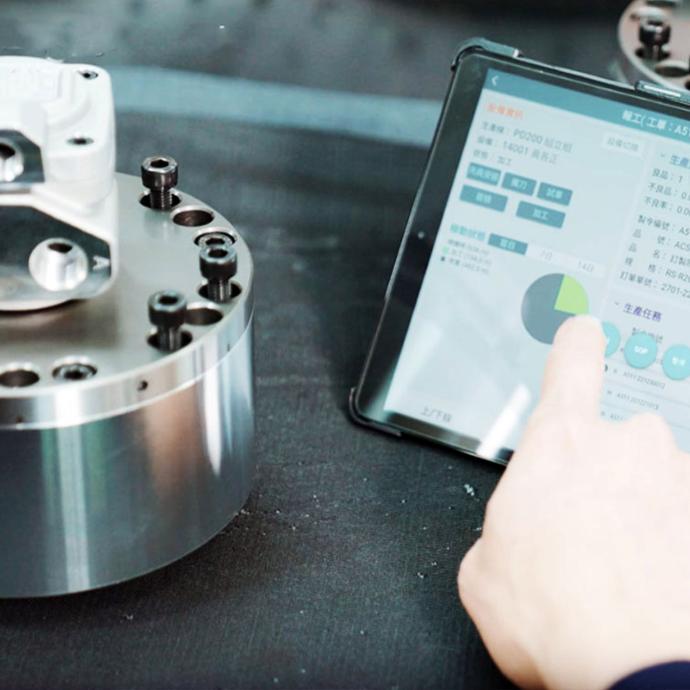
The most significant trend we are seeing is the integration of the Internet of Things (IoT) directly into workholding devices. Historically, a chuck was a passive mechanical device. Today, it is becoming an active data transmitter.
Digital Fixture Management is becoming standard in high-end aerospace and automotive production. Smart chucks equipped with wireless sensors can now communicate real-time data to the CNC controller, including:
- Clamping Force Verification: Ensuring the part is held with the exact pressure required—not too loose (safety hazard) and not too tight (deformation risk).
- Jaw Position Monitoring: Verifying that the jaws are in the correct position before the spindle ramps up.
- Temperature Sensing: Monitoring thermal expansion in the chuck body to compensate for accuracy drifts.
For a B2B buyer, investing in IoT-ready workholding means eliminating the "guessing game" of setup processes.
2. Automation-Ready Clamping Solutions
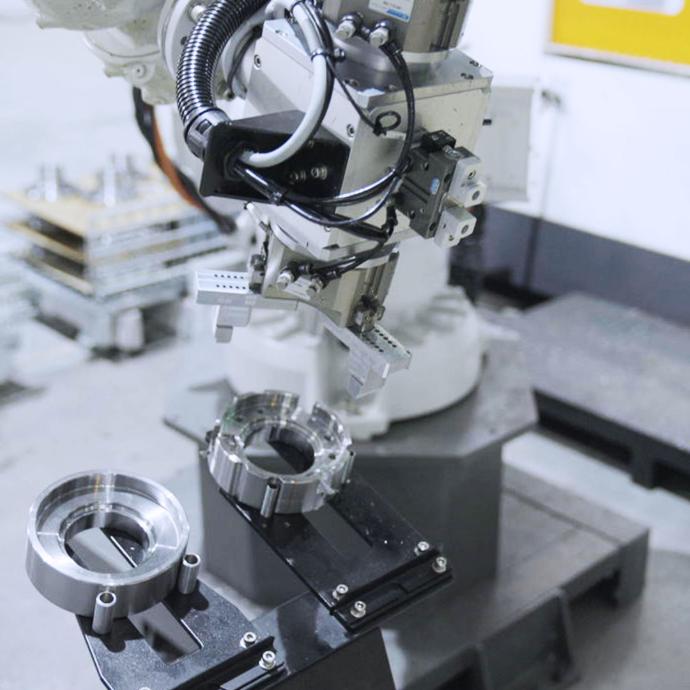
Automation is no longer a luxury; it is a survival mechanism. However, robots lack the tactile "feel" of a human operator. When a robot loads a raw slug into a cnc lathe chuck, it cannot feel if a chip is stuck behind the jaw or if the part is slightly misaligned.
In 2026, the demand is surging for Sealed and Air-Sensing Chucks.
- Sealed Chucks: Prevent coolant and chips from entering the internal mechanism, significantly extending maintenance intervals in 24/7 automated cells.
- Air-Sensing (Gap Checking): Advanced chucks use air pressure to confirm the part is seated flat against the locator. If the sensor detects a gap (due to a chip), the machine will not start, saving the part and the cutting tool.
3. Predictive Maintenance and Fixture Life Management
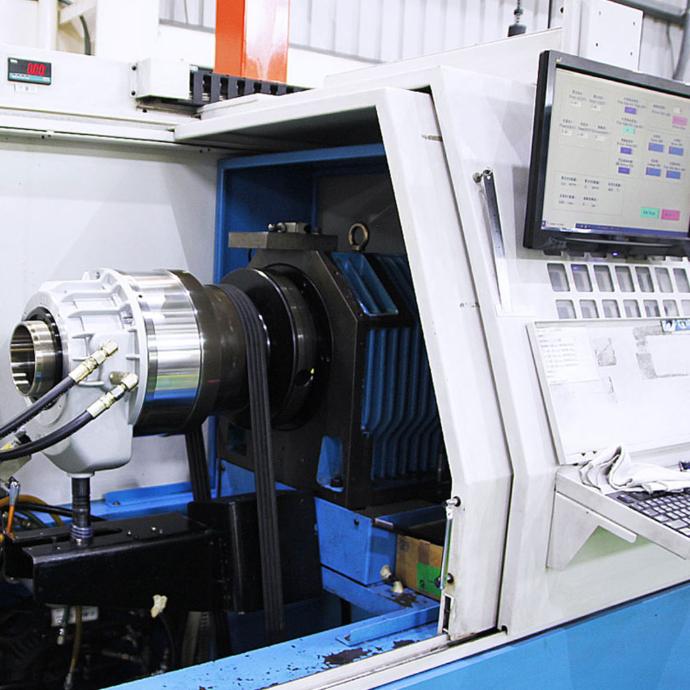
Reactive maintenance ("fix it when it breaks") is obsolete. The 2026 standard is Predictive Maintenance. By analyzing data trends from smart cnc machine chuck systems, shop managers can predict when a chuck needs greasing, when the master jaws are showing signs of fatigue, or when gripping force is degrading over time.
This shift allows for planned downtime rather than catastrophic failure during a rush order, directly addressing the pain points of production scheduling.
The Economic Impact: ROI on Advanced Workholding
Why should a procurement manager approve the budget for high-precision, potentially smart-enabled chucks versus standard economy models? The answer lies in the Total Cost of Ownership (TCO).
Reducing Setup Time (SMED)
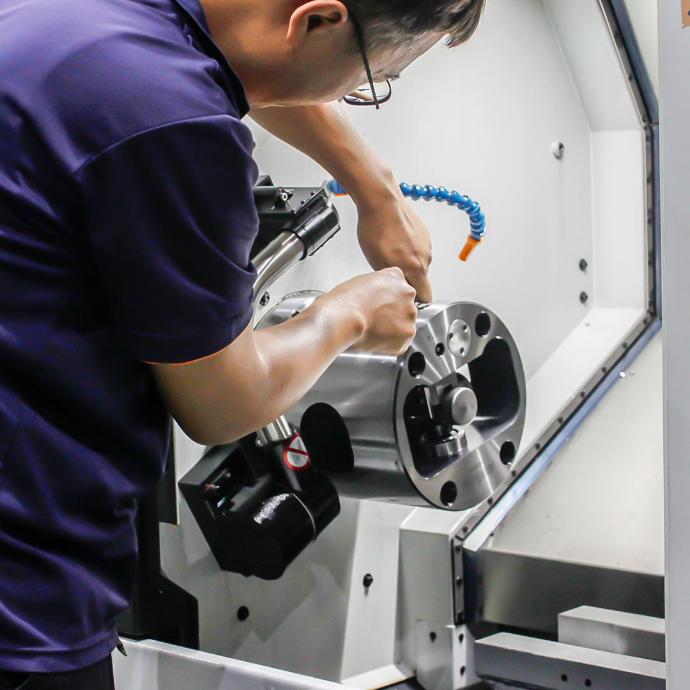
The trend toward "High-Mix, Low-Volume" production requires frequent changeovers. Modern quick-change jaw systems on a cnc lathe chuck allow operators to swap jaws in seconds, not minutes. In 2026, minutes saved on setup translate directly to profit margins.
Minimizing Scrap Rates
Deformation of thin-walled parts is a classic headache. With the evolution of hydraulic and pneumatic control in modern chucks, clamping force can be finely tuned. This "gentle yet firm" approach reduces scrap rates significantly, which is vital as material costs continue to rise.
Comparative Analysis: Traditional vs. Modern Smart Workholding
To help you understand the technological leap, we have compiled a comparison of traditional setups versus the standards emerging in 2026.
| Feature |
Traditional Workholding |
2026 Modern/Smart Workholding |
| Feedback Mechanism |
None (Passive) | Real-time Wireless Data (IoT) |
| Clamping Force | Static / Manual Adjustment | Dynamic / Programmable |
| Maintenance |
Interval-based or Failure-based
| Predictive (Data-driven alerts) |
| Jaw Changeover |
Manual (10-20 mins)
| Quick-Change Systems (< 1 min) |
| Automation Suitability |
Low (Requires human check)
| High (Air sensing/Sealed body) |
| Primary Keyword Focus | Standard cnc lathe chuck | Intelligent cnc machine chuck systems |
How to Choose the Right Workholding for 2026
When evaluating suppliers and products in this evolving market, focus on three pillars: Versatility, Connectivity, and Durability.
- Versatility: Can the cnc lathe chuck handle both roughing operations (high force) and finishing operations (high precision/low force) effectively?
- Connectivity: Is the system future-proof? Even if you don't use IoT today, will your new machines require smart-ready chucks next year?
- Durability: Look for nitriding or specialized coatings that resist wear. In automated environments, the chuck cycles thousands of times more than in manual operations.
FAQ : Common Questions About Machining Trends
Here are questions industry professionals are asking about the future of workholding.
IoT sensors embedded in the chuck provide real-time feedback on gripping force and jaw position. This prevents the machine from operating if conditions aren't safe or optimal, reducing accidents and scrapped parts due to slippage or deformation.
Absolutely. If your shop runs different parts per shift (High-Mix, Low-Volume), the ROI is often realized within months. Saving 15 minutes per setup, three times a day, equals hundreds of hours of increased production capacity annually.
The biggest challenge is chip management. Robots cannot "see" chips interfering with the grip. Using sealed chucks or chucks with air-sensing seating confirmation is essential to ensure reliability in unmanned operations.
In many cases, yes. While full integration with an old CNC controller might require retrofit kits, many smart chucks have standalone wireless receivers that can communicate with a tablet or external monitor to give operators data without needing a full machine upgrade.
Regular greasing is key, but using the correct type of grease (high pressure) is vital. Additionally, for trends, moving to sealed chucks prevents coolant washout of the grease, significantly extending the life of the internal wedge and master jaws.
Integrating Excellence: The AUTOGRIP Solution
While understanding these trends is the first step, implementing them requires a partner with deep industry expertise. At AUTOGRIP MACHINERY, we don't just follow market trends; we engineer the solutions that define them.
For over three decades, we have specialized in Power Chucks, Rotary Cylinders, and Collet Chucks that solve the exact pain points mentioned above. We know that whether you are looking for a robust cnc lathe chuck for heavy turning or a high-precision cnc machine chuck for delicate components, reliability is non-negotiable.
Our Solutions for the Future
If you are looking to upgrade your production capabilities to meet the demands of 2026:
For
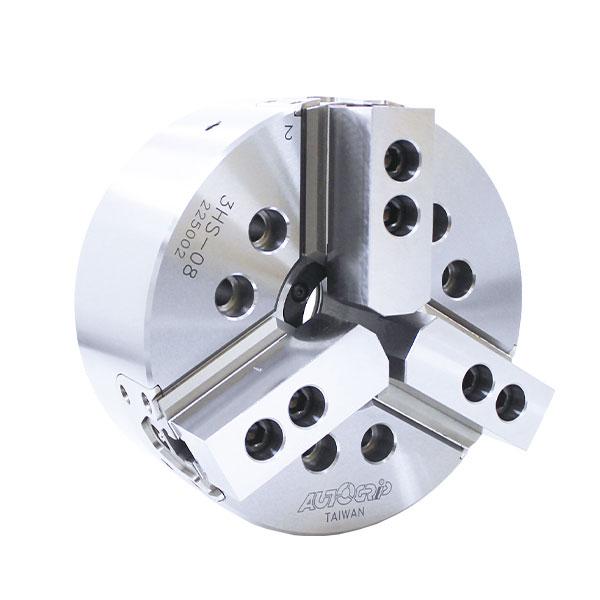
High-Performance Turning:
Explore our range of Power
Chucks. Designed for high rigidity and precision, these chucks are
engineered to handle the speeds and forces of modern turning centers while
ensuring consistent repeatability.
For
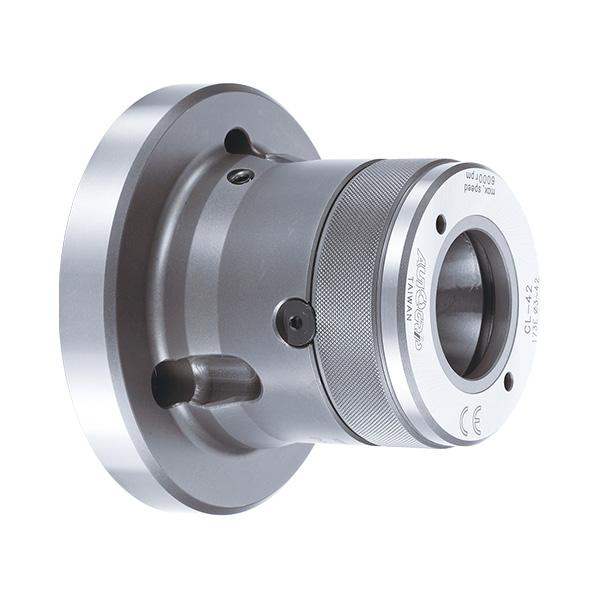
Precision and Bar Feeding:
Our Collet
Chucks offer superior gripping for smaller diameter parts and are ideal for
bar feeder applications where speed and concentricity are paramount.
Partner with AUTOGRIP
Don't let outdated workholding be the bottleneck in your smart factory. Transitioning to automated, high-precision clamping is the key to staying competitive.
If you are ready to optimize your production line or need consultation on the right fixture for your specific application, our team is ready to assist.
Contact AUTOGRIP MACHINERY today and let’s grip the future together.